

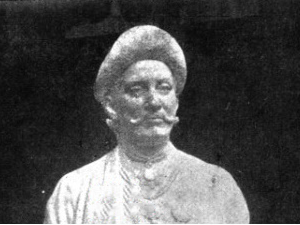
 Muslims in British India: Life and Times of Nawab Abdul Latif of Bengal (provisional book title), by Muhammad Mojlum Khan, author of Muslim Heritage of Bengal (2013), The Muslim 100 (2008), and Great Muslims of the West (2017).
Up to now, very little attention has been paid to the contribution and achievements of Nawab Abdul Latif. His contribution to the advancement of western education and science in 19th century India through the formation and activities of many learned societies including the establishment of the Mahomedan Literary Society in Calcutta (Kolkata) was nothing short of remarkable and pioneering.
His other important achievements included working to transform Hindu College into Presidency College to enable students of all background to access higher education; the establishment of three modern madrasahs in Dacca (Dhaka), Chittagong (Chattogram), and Rajshahi to improve the social, educational and economic condition of the Muslims of India, and Bengal in particular. He also patronised numerous educational and research institutions including Calcutta Madrasah (now Aliah University), Hooghly Madrasah, Hooghly Mohsin College and the Indian Association for the Cultivation of Science. He was instrumental in rescuing the Waqf (Endowment) left by Haji Muhammad Mohsin for the education of the Muslims of Bengal, in addition to standing up to the European Indigo planters who were exploiting the peasantry across Bengal. His actions led to the formation of the Indigo Commission in 1860 by the British Government and the gradual liberation of the masses from the oppressive indigo system.
In short, the aforementioned book will explore the life, works and achievements of this great reformer in considerable detail for the first time. The impact of his ideas, thoughts and activities on his contemporaries will also be covered. This will include Sir Syed Ahmed, Syed Ameer Ali, many senior British government officials as well as prominent Hindu scholars and reformers of the time. Watch this space!